By Ng Ting Yong (20111469)

Around June 2019, A matt black Honda CRV was parked in front of a vast durian plantation. The passengers then got out and it reveal a handsome middle- aged man along with his son. Yeap, if you are wondering, that lad is me and the man is my father. We were there to check on the new durian saplings in our plantation in Titi, Jelebu. As we went into the plantation, we were then greeted by Mr Seow, the caretaker of our durian, a slender middle- aged man who had a distinctive Joseph Stalin’s moustache. Mr Seow and my father then discuss issues regarding the plants in Hakka. Since Hakka seems alien language to me, I then decided to explore the durian plantation myself and take pictures.
While exploring, I realized that Durian and Godzilla are somewhat in common. As both are kings in their own respective kingdoms, spiky, badass, and both reminds me of my childhood (where my family and I watched the first Godzilla movie while eating Durian, great memories~~).
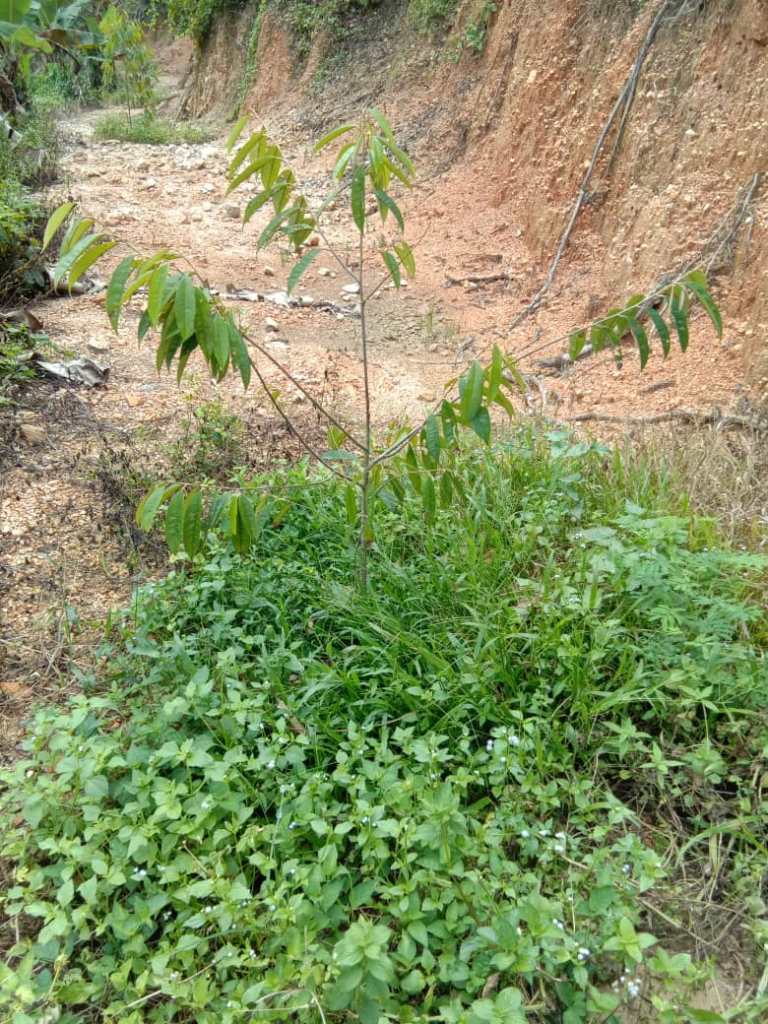
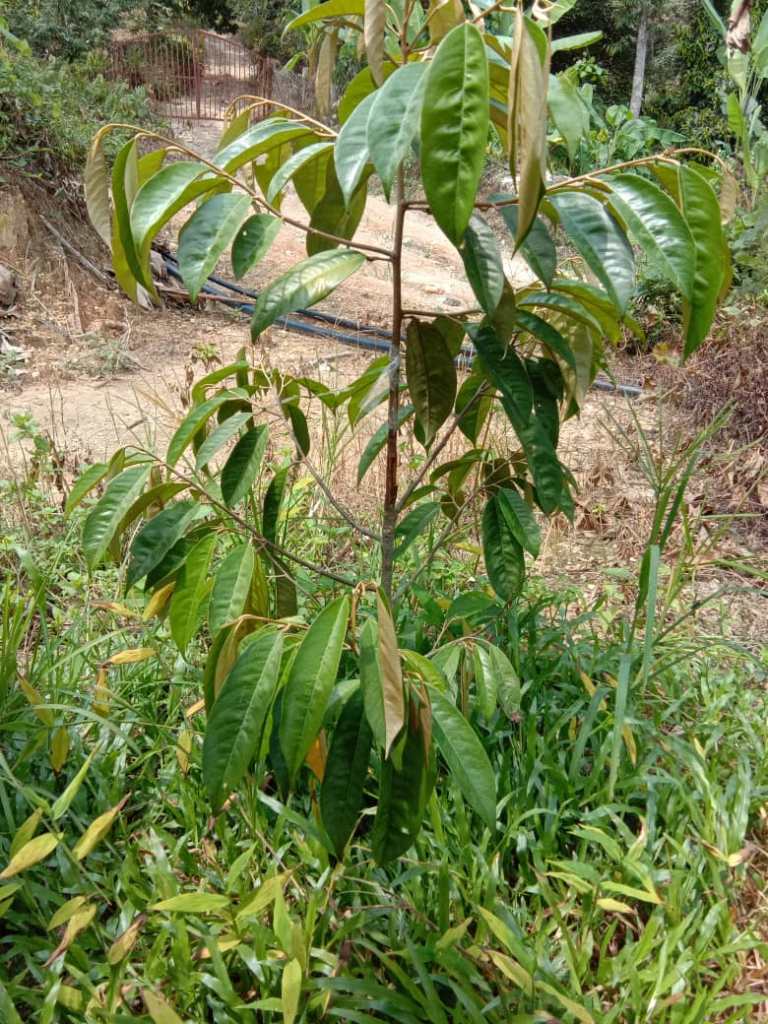
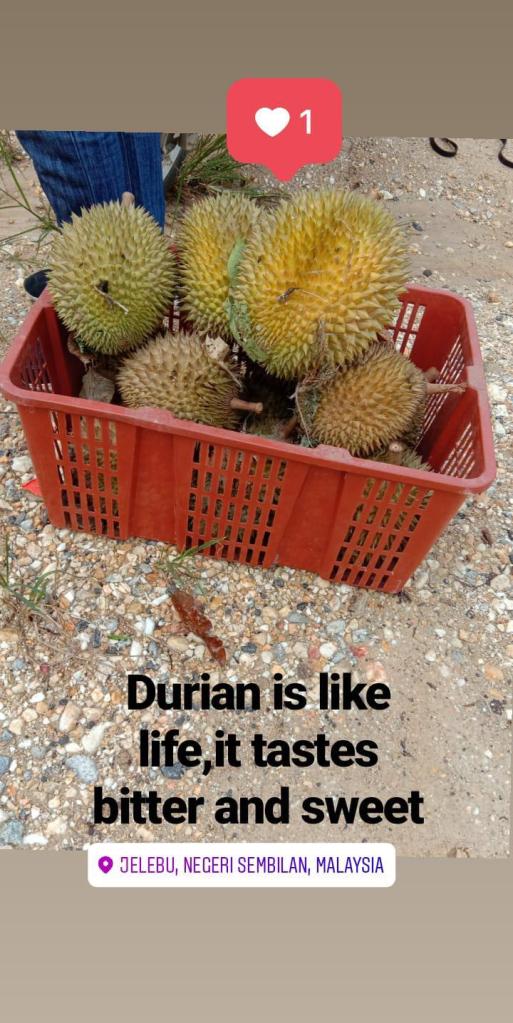
Figure 1: Young durian tree captured at my dad’s plantation in Titi, Jelebu
Figure 2: The more mature durian tree captured at my dad’s plantation in Titi, Jelebu
Figure 3: The durians found in my dad’s plantation taken from my Instagram story
Durian’s name and origin
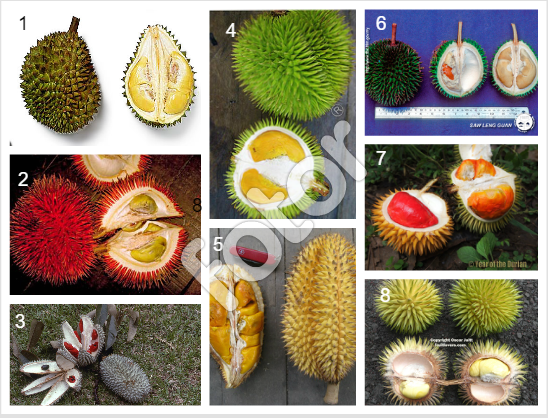
The name Durian (Scientific name; Durio zibethinus Murray, Family: Bombacaceae, Order: Malvales) is derived from the Malay word duri, follow by adding the Malay suffix -an. Around 30 durian species were recognised, where 6 species are able to produce edible fruits, namely, Durio zibethinus , Durio dulcis, Durio grandiflorus, Durio graveolens, Durio kutejensis, Durio lowianus, Durio oxleyanus, and Durio testudinarum (Brown et.al., 1997).
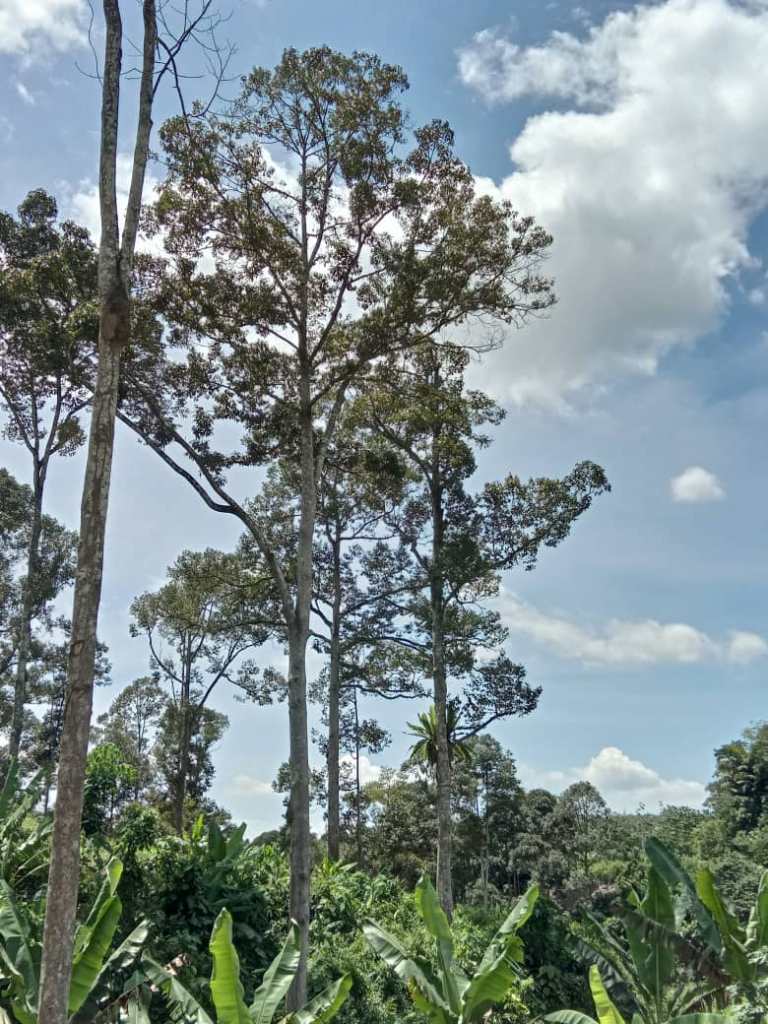
Durian (Durio zibethinus) tree in Malaysia
Durians grow well in Southeast Asia with conditions like:
- Warm, with 75-80% humidity
- 1600-4000 ml annual precipitation
- Average temperature at 24-30 °C
- Loamy soil with the pH level between 5-6.5
- < 3000ft altitude
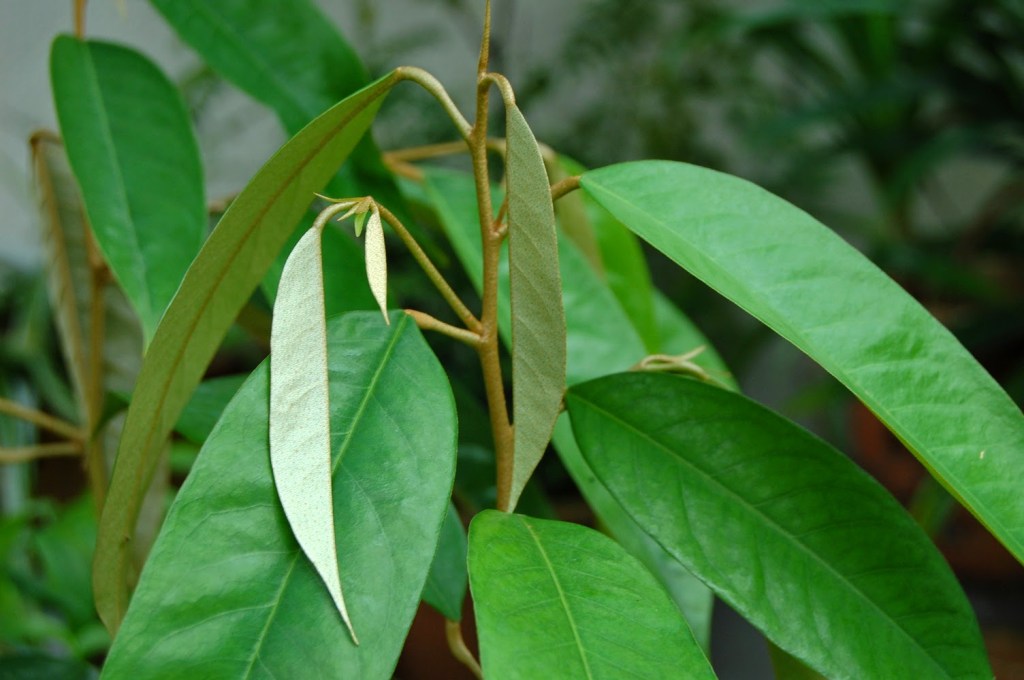
According to a journal article by Nyffeler, 2001, the height of durian tree normally reach 30-40cm with the life expectancy of 80-150 years. It has a vertical trunk and lateral branches growing sideways. The lance shaped leaves of durian trees are 10-20cm long and 3-7.5cm wide.
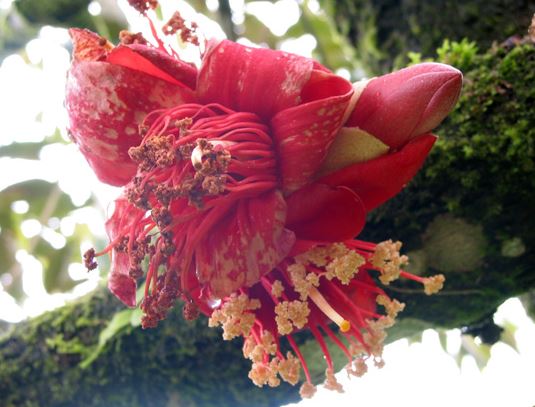
Durian fruit
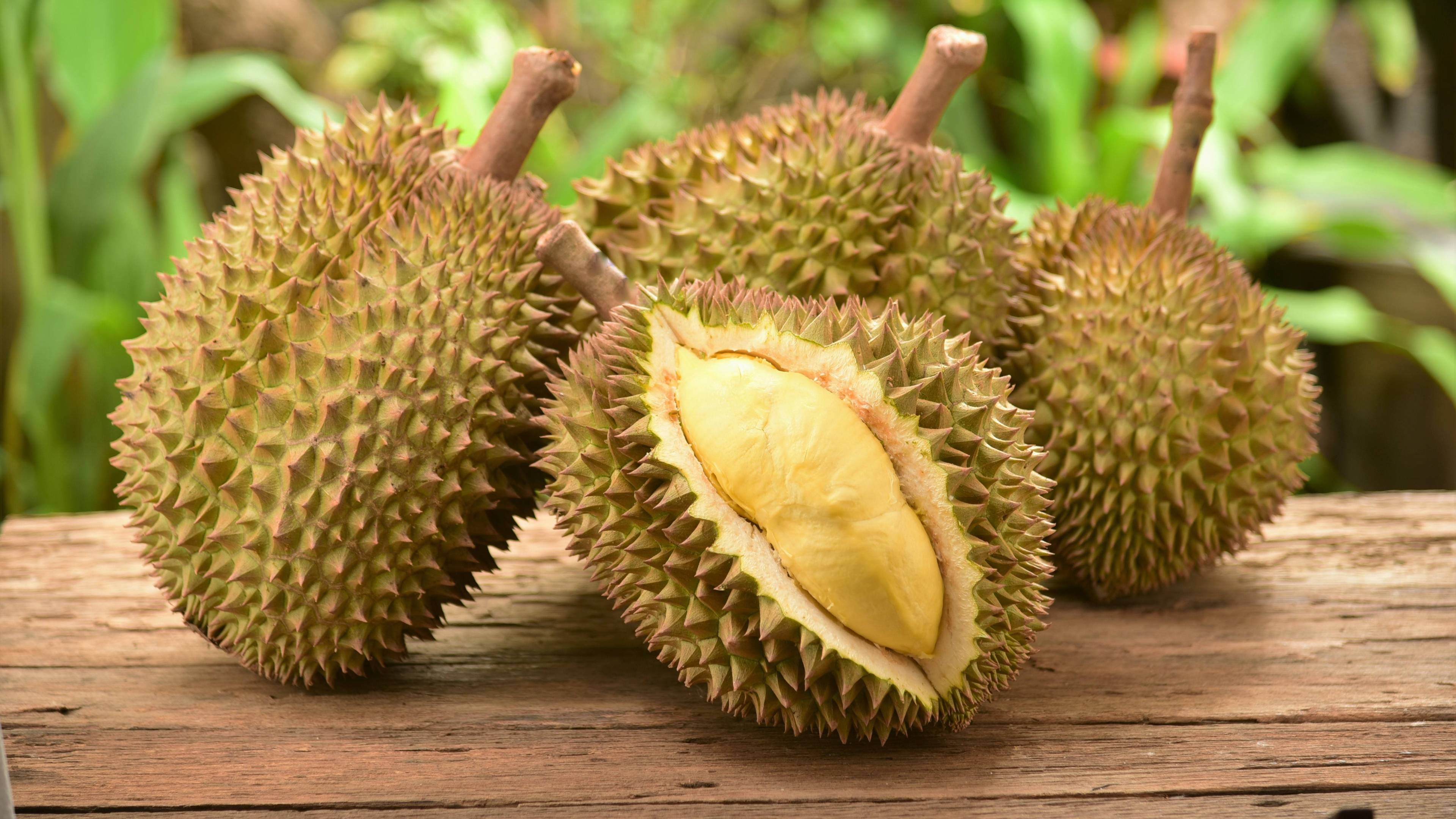
Fruit bats are the major pollinators of durian (Bumrungsri et al., 2009). It is circular in shape with estimated weight from 1-5kg with a round, hollow stem connected to one end and brown-yellowish green skin secured with spikes. Inside this spiky ball lies the five locules where the golden pulps are found. Food writer Richard Sterling describe the smell as “turpentine and onions, garnished with a gym sock!!!!!!!!”

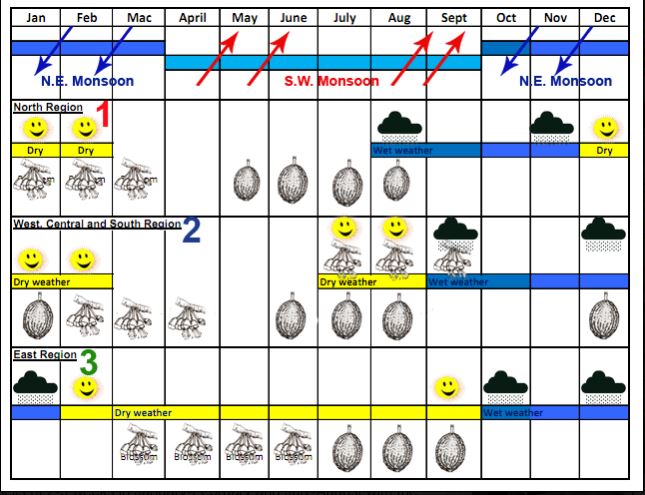
Regions in Malaysia that grows durian
Durian can be found in Raub (Pahang), Batu Pahat, (JB) as well as in the place where my dad’s durian plantation located, Titi, Jelebu. Most of the Malaysian that owns a durian plantation are Chinese, while some are Malays. The importance of durian has changed through time and is becoming more and more popular.
Durian as the most nutritious fruit
The phrase ‘Do not judge the book by its cover’ applies to durian. Although it looks and smells horrible(but tasty), durian is in fact the most nutritious fruit with lots of health benefits (Aziz et.al., 2019). A durian a day keeps a doctor away should be applied instead of apple.
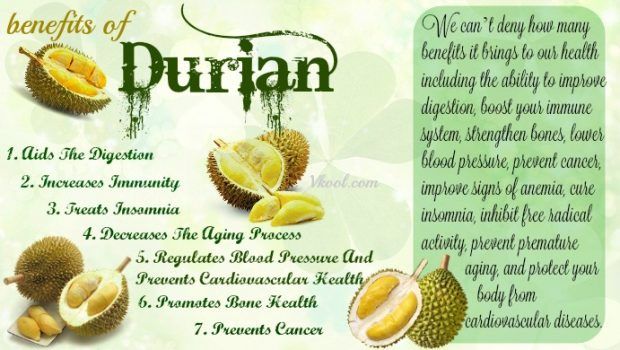
Malaysia’s gold mine
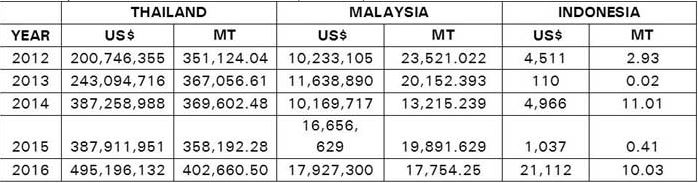
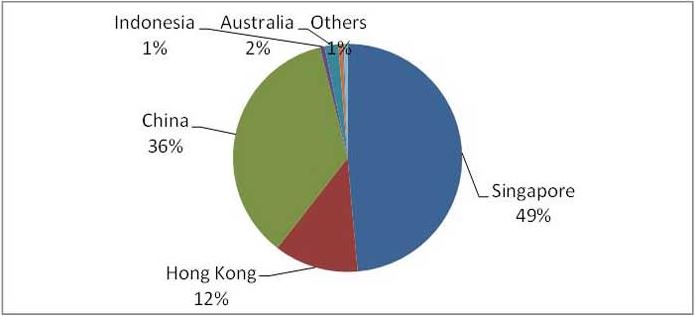
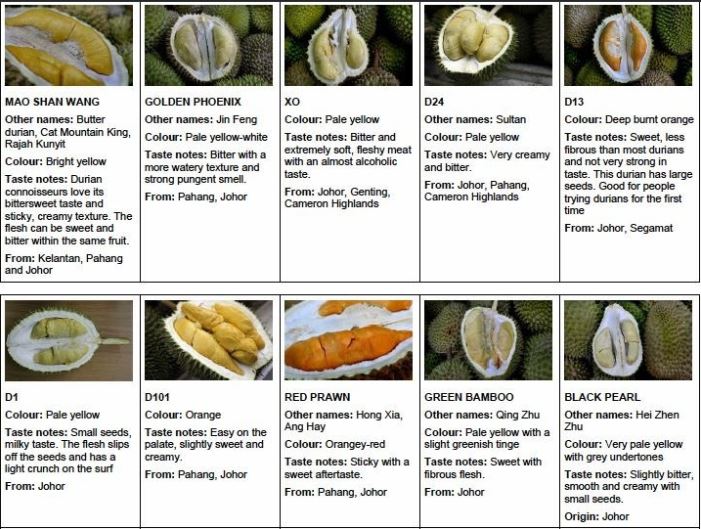
Nowadays, durian demand has gone skyrocket , especially in Singapore and China market. According to Safari, 2018, Thailand, Malaysia and Indonesia are top three exporters of durian and Malaysia is the second largest exporter. Varieties of durian been exported are the Musang King and D24, either fresh or frozen. For the next ten years, durian business will be booming due to China’s future projects in our country.
Culture, society and durian
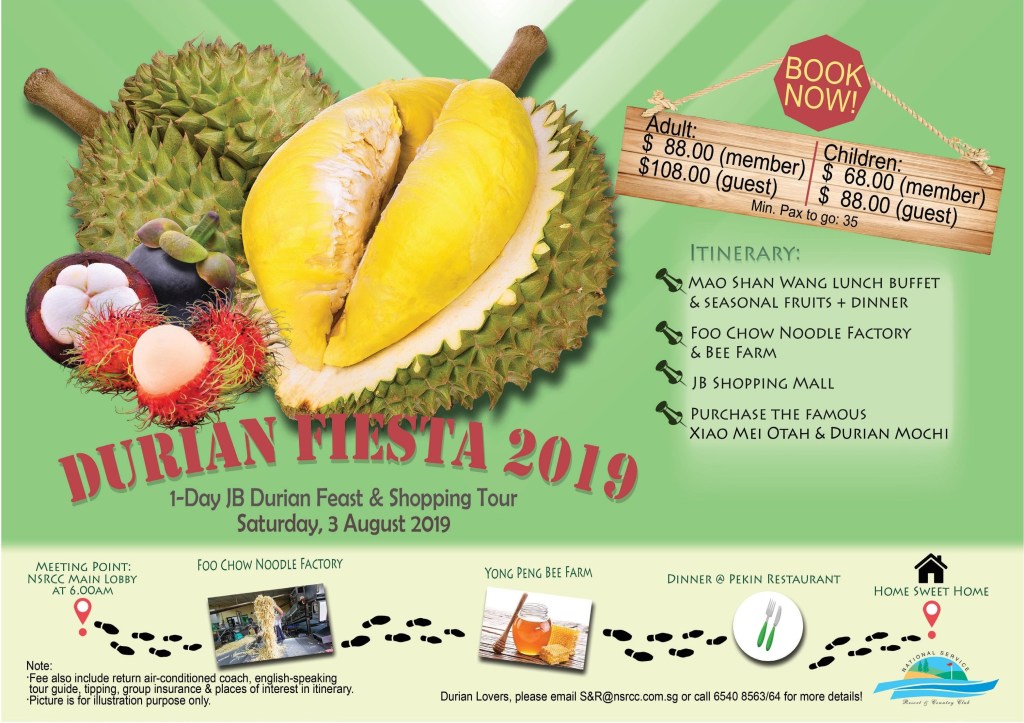
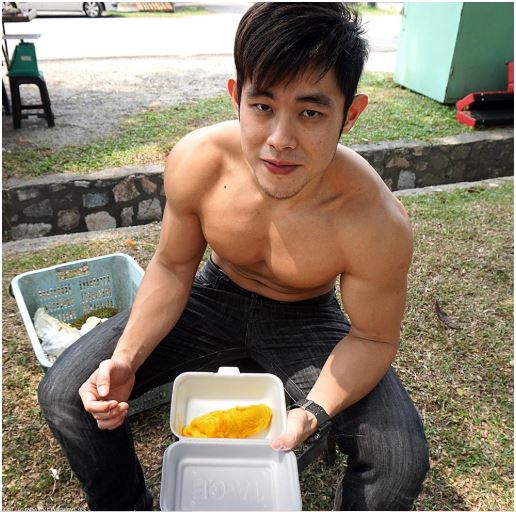
Eating durian is now considered as a culture in Malaysia. This is due to a successful event known as Durian Fiesta which held every year for people to taste durians. For those female durian lovers might wanna buy durian with this muscular, handsome Jaychou lookalike named Jordan Yeoh, aka the “Prince of Durian” who became a huge internet sensation after helping his friend to sell durian.
Durian and sustainability to the environment
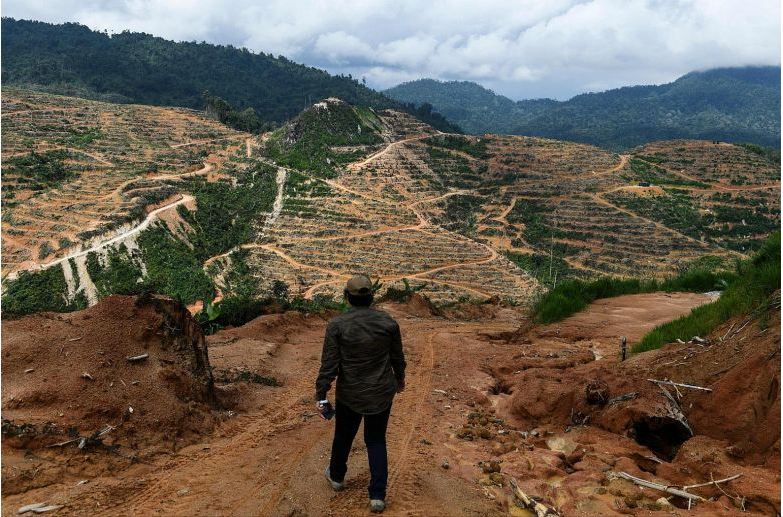
“An increase in the cultivation of durian leads to an increase in deforestation and loss of biodiversity in Malaysia” quote Rimba environmental group. Rimba also added that durian cultivation results in the annihilation of habitats of Malaysia’s animals. In conclusion, durian is not so sustainable even though it helps in the economic, health and social factors.
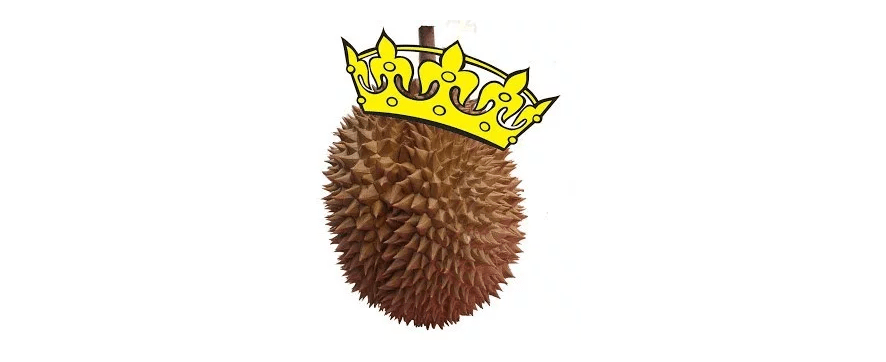
Durian, Durian, smelly but tasty
not just delicious, but also nutritious
Nature’s awe-inspiring food indeed
Special thanks to:
My father for this amazing trip to his plantation and Mr Seow for the explanation regarding durian.
References
A Aziz, N., & Mhd Jalil, A. (2019). Bioactive Compounds, Nutritional Value, and Potential Health Benefits of Indigenous Durian (Durio Zibethinus Murr.): A Review. Foods, 8(3), 96. https://doi.org/10.3390/foods8030096
Brown, M. J., & International Plant Genetic Resources Institute. (1997). Durio, a Bibliographic Review. New Delhi, India: International Plant Genetic Resources Institute, Office for South Asia.
Bumrungsri, S., Sripaoraya, E., Chongsiri, T., Sridith, K., & Racey, P. A. (2009). The pollination ecology of durian (Durio zibethinus, Bombacaceae) in southern Thailand. Journal of Tropical Ecology, 25(1), 85–92. https://doi.org/10.1017/s0266467408005531
Nyffeler, R. (2001). Systematics and character evolution in Durio s. lat. (Malvaceae/Helicteroideae/Durioneae or Bombacaceae-Durioneae). Organisms Diversity & Evolution, 1(3), 165–178. https://doi.org/10.1078/1439-6092-00015
Safari, S. (2018, October 15). Durian as New Source of Malaysia’s Agricultural Wealth. Retrieved April 20, 2020, from http://ap.fftc.agnet.org/ap_db.php?id=904

 Yong's blog